

VISUAL LEGACY: 700 YEARS IN MOTION
A Timeline of Lineage, Law, Memory, Migration, Freedom, Exile, and Return
A timeline of lineage, law, memory, migration, freedom, exile, and return — drawn from archival records, historical scholarship, and descendant reconstruction.
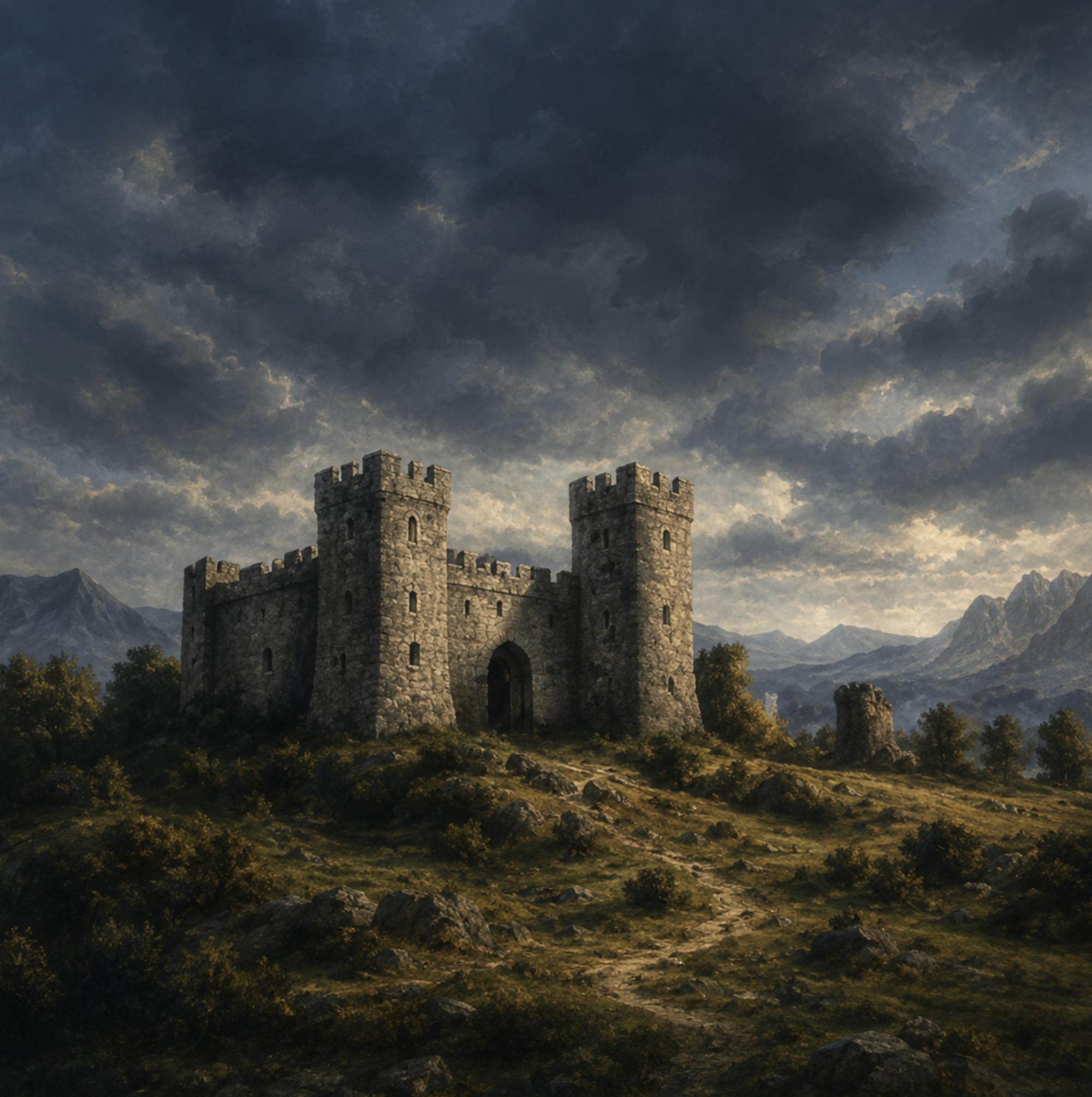
THE STONE
1325–1650
England, memory, conscience, and the origins of pattern.

The Crossing
1650–1795
New England settlement,
labor, and community
formation.
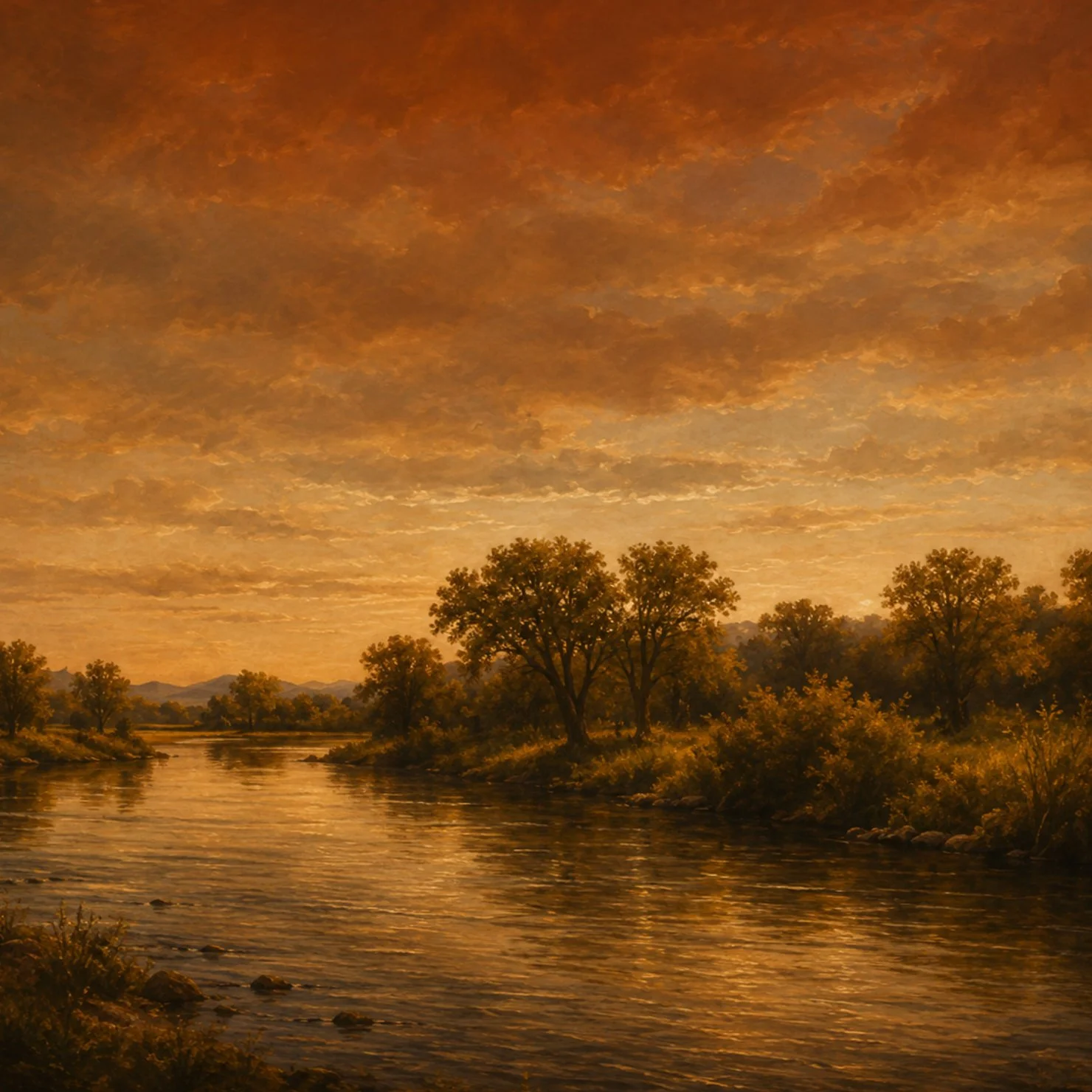
THE WIND
1795–1865
Vermont, Mexican Texas, freedom, law, exile, and the borderlands of war.
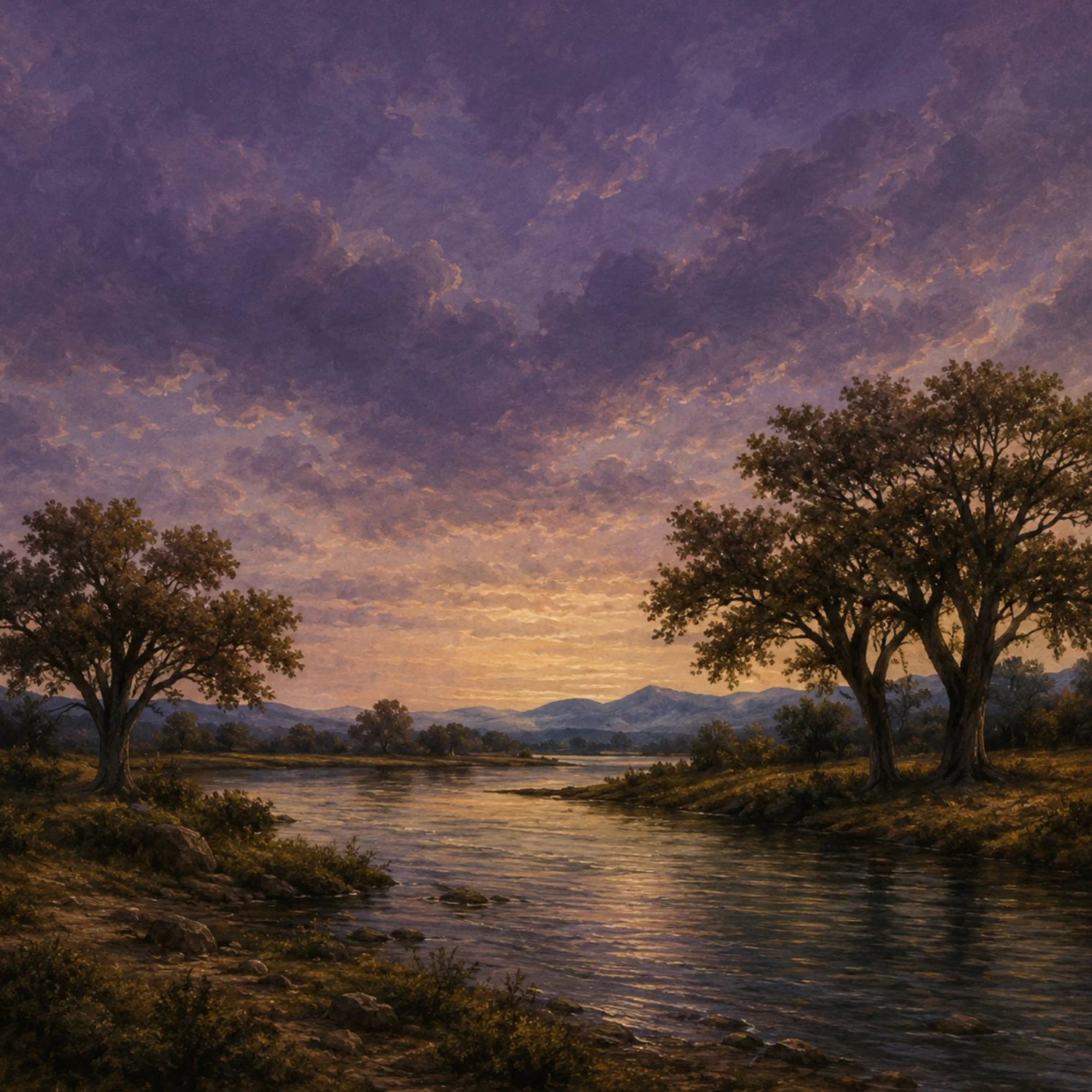
THE INHERITANCE
1865–2025
Survival, silence, recovery, and the archive.
VISUAL LEGACY: 700 YEARS IN MOTION
A timeline of remembered lineage, verified records, family reconstruction, migration, freedom, exile, and return.
● = Direct family / lineage event
▲ = Migration / land / place
◐ = Law / political / system
✚ = War / military
✧ = Context / environment / reconstruction
●◐ = Family + law interaction
●▲ = Family + land / migration
●✧ = Family + resistance / freedom activity
THE STONE
1325–1650
England, Memory, and Reconstructed Lineage
c. 1325 — ✧ Medieval English lineage memory begins in northern England, preserved through reconstructed family tradition.
1385 — ✧ According to family tradition, Maud Percy marries John Neville of Raby, linking the remembered Percy–Neville lineage. The marriage itself is historically documented, though direct descent remains unproven.
1464 — ✚ Sir Ralph Percy dies at the Battle of Hedgeley Moor; later chroniclers associate him with the phrase, “I have saved the bird in my bosom.”
1500–1600 — ◐ The English Reformation reshapes religious authority, social order, literacy, parish identity, and oath culture throughout England.
1598 — ● Thomas Webster of Great Leighs, Essex, appears in parish tradition connected with “soundness in doctrine.”
1600–1650 — ◐ Oath enforcement, religious conformity, dissent, and civil instability shape the political culture of eastern England.
1640s — ✚ English Civil War-era oath refusals and dissent traditions become part of the reconstructed moral lineage later associated with migration into New England.
THE CROSSING
1650–1795
New England, Oaths, Labor, and Healing
c. 1630 — ✧ John Kittredge is born in London and later becomes associated with the New England medical line.
1654 — ●▲ Thomas Webber takes the Oath of Fidelity to Plymouth authority near the Kennebec River, establishing verified colonial presence in northern New England.
1660 — ● John Kittredge appears in Billerica, Massachusetts town records.
1687 — ●◐ Mary Parker Webber petitions Governor Edmund Andros regarding land she possessed, improved, built upon, fenced, and defended through her own labor.
1689 — ● Dr. John Kittredge marries Hannah French, joining medical, literacy, civic-service, and colonial family lines.
1690 — ✚ John Bailey dies returning from the Canada Expedition.
1692 — ●◐ Mary Webber and her son Samuel appear in surviving Salem Witchcraft Papers as witnesses rather than accused persons.
1690s — ✧ Kittredge medical and healer traditions become increasingly documented in Billerica and surrounding Massachusetts communities.
1690–1750 — ✧ Healer, literacy, and civic-service traditions continue across interconnected Bailey, Rolfe, Morrill, Parker, Webber, and Kittredge family lines.
1730–1815 — ✧ Mary Ann Rolfe Bailey lives across the colonial and early national periods, bridging generations later associated with the Webber line.
1750–1795 — ✧ New England family lines consolidate through marriage, migration, labor, civic service, religious culture, and local community formation.
1755–1834 — ● Hannah Bailey Kittredge carries the Bailey–Rolfe–Kittredge inheritance forward into the Morrill and Webber family network.
1791 — ◐ Vermont enters the Union as the fourteenth U.S. state, shaping the political and geographic environment into which John Ferdinand Webber is later born.
THE WIND
1795–1865
Vermont, Mexican Texas, Freedom, and Exile
1786 — ● Alternate genealogical reconstruction places the birth of John Ferdinand Webber in Danville, Vermont; later records more consistently support the 1794–1795 range.
August 18, 1792 — ● John Webber, father of John Ferdinand Webber, marries Hannah Morrill in Danville, Caledonia County, Vermont.
1794 — ● Anchor birth year for John Ferdinand Webber in some records; 1786 is preserved as an alternate.
1795 — ● Anchor birth year for John Ferdinand Webber in later family and historical reconstructions.
October 2, 1795 — ● John Ferdinand Webber is traditionally identified as born in Danville, Vermont, to John Webber and Hannah Morrill.
c. 1807 — ● Silvia Hector is born into slavery in Spanish West Florida, in the region later associated with present-day West Feliciana Parish, Louisiana.
1806–1815 — ▲ Members of the extended Cryer family migrate from Georgia into St. Helena Parish, then toward Arkansas and Missouri Territory.
May 23, 1810 — ✚ Mexico’s War of Independence begins, introducing antislavery ideology into the northern borderlands.
July 9, 1816 — ●◐ Probate inventory of Dr. Samuel Flowers documents forced familial separation under slavery. Sarah is listed and sold at a valuation of $650; Silvia, recorded as “Silva,” is inventoried separately at $350; and a male identified as Hector is listed at $100, demonstrating the legal and economic fragmentation of family under slavery.
March 10, 1819 — ●◐ Silvia, recorded as “Silva,” approximately age twelve, is sold to Morgan Cryer Sr. in Missouri Territory.
1819 — ◐ Adams–Onís Treaty establishes the U.S.–Spanish Texas border while slavery remains legal on both sides of the boundary.
1815–1820 — ●▲ John Ferdinand Webber migrates southwest toward the Texas borderlands.
1821 — ◐ Mexico gains independence from Spain; Texas becomes part of the new Mexican nation founded on formal antislavery principles.
1822 — ✧ Jared Groce brings approximately ninety enslaved people into Austin’s Colony, reflecting the tension between Mexican antislavery policy and Anglo colonization practices that continued to sustain slavery through legal exceptions.
1823 — ●▲ John Ferdinand Webber arrives in Mexican Texas and settles near San Felipe de Austin.
1823 — ◐ Mexico enacts the Imperial Colonization Law, permitting slavery through long-term indenture contracts.
1824 — ◐ The Mexican Federal Constitution avoids directly addressing slavery; Coahuila y Tejas continues tolerating the institution.
1825 — ◐ Census records of Austin’s Colony document 443 enslaved individuals, establishing the demographic and legal structure into which the Webber family emerges.
March 15, 1826 — ●◐ John Cryer appears in Austin’s Colony records with five enslaved persons, including Silvia Hector.
1826 — ●▲ John Ferdinand Webber settles near the Colorado River in Austin’s Colony.
c. 1826–1827 — ●▲ Silvia Hector is brought into Mexican Texas by John Cryer at approximately age nineteen.
1827 — ◐ Coahuila y Tejas bans further importation of enslaved persons and declares children born thereafter eligible for eventual freedom.
1827 — ●▲ Webber’s land and settlement presence emerge along the Colorado River.
1828 — ◐ Anglo settlers increasingly rely upon indenture contracts as a legal mechanism to preserve slavery under another name.
1829 — ◐ Mexican President Vicente Guerrero issues a nationwide abolition decree, though Texas receives temporary exemption status.
October 1829 — ● Alcy, also recorded as Elsie or Alecy Webber, is born to Silvia Hector and John Ferdinand Webber under the legal framework of slavery.
c. 1830 — ● Henry Webber is born to Silvia Hector and John Ferdinand Webber prior to Silvia Hector’s emancipation.
c. 1832 — ● John Webber Jr. is born to Silvia Hector and John Ferdinand Webber prior to Silvia Hector’s emancipation.
Early 1830s — ● John Ferdinand Webber and Silvia Hector establish a family while Silvia remains legally enslaved within the Cryer household, creating a legally constrained but socially real union.
June 22, 1832 — ●▲ John Ferdinand Webber receives a 2,214.2-acre headright land grant along the Colorado River through the Mexican land system.
1832 — ◐ Anglo-Texan settlers increasingly resist Mexican federal authority and demand restoration of federalist protections.
1832–1833 — ●▲ John Webber establishes a stockade and settlement that becomes known as Webber’s Prairie.
1834 — ◐ President Santa Anna centralizes power, destabilizing legal protections under the Mexican federal system.
June 11, 1834 — ●◐ Silvia Hector’s emancipation bond is sworn before Alcalde R. M. Williamson at San Felipe de Austin. John F. Webber stands as debtor; John Cryer stands as emancipator. The document legally frees Silvia Hector and her children under Mexican law, formally altering their legal status within the Mexican system.
October 1834 — ●◐ John Webber reportedly refuses demands that Silvia’s children be returned to the Cryer family, reinforcing the permanence of the family unit against external legal pressure.
Summer 1835 — ✚ Santa Anna deploys military forces into Texas to enforce centralist authority.
October 2, 1835 — ✚ The Battle of Gonzales marks the beginning of the Texas Revolution.
1835–1836 — ◐ Slaveholding settlers revolt against Mexico amid tensions over slavery, governance, and political authority.
1836 — ◐ The Republic of Texas declares independence and constitutionally protects slavery while outlawing interracial marriage.
1837 — ◐ Mexico reaffirms abolition and recognizes enslaved people reaching Mexican soil as legally free.
1837–1845 — ●▲ The Webber family lives at Webber’s Prairie under increasing racial hostility, surveillance, and political scrutiny because of their interracial household.
1839 — ●▲ Webber’s Prairie becomes an officially recognized settlement, later known as Webberville.
1840s — ● Robert G. McAdoo is reportedly employed to educate the Webber children following exclusion from local schooling systems.
1840s — ✧ Early escape networks develop, guiding freedom seekers south toward Mexico.
1840s — ● The Webber family expands into a large multiracial household, with eleven of thirteen children surviving infancy.
1840s–1850s — ✧ Increasing numbers of enslaved people flee Texas into Mexico, where abolition remains enforced.
1840s–1861 — ●✧ Webber’s Prairie and the Colorado River ferry become associated through descendant memory and regional recollection with aid to freedom seekers.
1845 — ◐ Texas is annexed into the United States as a slave state.
1846–1848 — ✚ The U.S.–Mexico War concludes with the Treaty of Guadalupe Hidalgo, establishing the Rio Grande as the international border.
1850 — ●◐ U.S. Census records document the Webber family in Travis County as a multiracial household within a slaveholding state structure, while Texas’s enslaved population reaches 58,161.
1850 — ●◐ The Webbers forfeit portions of their Webberville property amid financial disputes connected to Cryer family claims.
1850–1853 — ◐ United States and Texas officials repeatedly pressure Mexico to return freedom seekers; Mexican authorities refuse.
1851 — ●▲ The Webber family begins relocating southward away from escalating racial hostility in Central Texas.
1852 — ✧ Seminole Maroons and Black freedom seekers receive land grants in northern Mexico, reinforcing the Rio Grande as a freedom corridor.
1853 — ●▲ The Webber family permanently relocates to the Rio Grande Valley.
June 8, 1853 — ●▲ John Ferdinand Webber acquires 8,856 acres in Hidalgo County.
1854 — ●▲ Webber Ranch and a family cemetery are established.
c. 1854–1855 — ●▲ A licensed ferry operation is established along the Rio Grande.
1850s — ●✧ Regional accounts and descendant memory associate the Webber ferry with freedom crossings into Mexico.
c. 1860 — ●✧ The Webbers associate with neighboring interracial Unionist family Nathaniel and Matilda Jackson.
1860 — ◐ Texas’s enslaved population reaches 182,566, making slavery central to the state economy.
1861 — ✚ Texas secedes from the Union and joins the Confederacy.
1861 — ●◐ The Webber family faces increased danger and persecution due to Unionist sympathies and associations with freedom seekers.
1861–1865 — ●✧ Webber Ranch serves as a refuge for Unionists, fugitives, and refugees moving toward Mexico.
January 1, 1863 — ◐ The Emancipation Proclamation is issued, though enforcement in Texas remains limited.
1863 — ✧ Reports describe freedom seekers crossing the Rio Grande concealed among cotton bales.
June 1864 — ●✚ Confederate authorities arrest Webber’s sons as Union sympathizers.
1863–1865 — ●▲ John and Silvia flee southward toward the Rio Grande and take refuge in Mexico during the Civil War.
April 9, 1865 — ✚ Confederate surrender concludes major Civil War operations.
May 1865 — ●▲ The Webber family returns to Texas following the collapse of Confederate authority.
June 19, 1865 — ◐ General Order No. 3 announces emancipation in Texas, now commemorated as Juneteenth.
THE INHERITANCE
1865–2025
Survival, Silence, Recovery, and Return
September 1865 — ◐ The Freedmen’s Bureau begins operations in Texas.
1866 — ◐ Texas enacts Black Codes restricting the freedoms of formerly enslaved people.
March 1867 — ◐ Reconstruction Acts place Texas under federal military authority.
1867 — ●◐ Hidalgo County voter rolls list John Ferdinand Webber as a Unionist voter.
1868 — ✚ Ku Klux Klan violence escalates across Texas.
1870 — ◐ Texas is formally readmitted to the Union.
1870 — ●◐ U.S. Census records the Webber family in Hidalgo County following the Civil War, documenting their continued presence as a multiracial family during Reconstruction.
1871 — ◐ Matthew Gaines is elected to the Texas Senate during Reconstruction.
1872 — ●◐ John Ferdinand Webber’s War of 1812 pension is processed, providing federal financial support to Silvia Hector Webber and confirming his military service within official U.S. records.
1873–1874 — ◐ White supremacist “Redeemer” Democrats regain political control across Texas.
1877 — ◐ The Compromise of 1877 ends Reconstruction and accelerates the rise of Jim Crow systems.
1880 Census — ●◐ Silvia Hector Webber appears in federal records as the “wife” of John Ferdinand Webber; the family is documented across multiple dwellings, reflecting an extended multigenerational family compound structure with adult children maintaining separate but adjacent households.
1880–1965 — ◐ The story survives in fragments through oral memory, family recollection, scattered records, local references, archival gaps, and variant spellings such as Weber, Webb, and Wibber.
July 19, 1882 — ● John Ferdinand Webber dies near present-day Donna, Texas, and is buried in the Webber family cemetery.
September 13, 1892 — ● Silvia Hector Webber dies; remembered locally as “Aunt Puss,” with her grave remaining unmarked.
1899 — ◐ Noah Smithwick publishes The Evolution of a State, preserving one of the few contemporary written accounts of the Webber family.
Ongoing — ◐ Silvia Hector Webber’s emancipation bond is preserved at the Dolph Briscoe Center for American History at the University of Texas at Austin.
1966 — ● The Fernsten Pedigree Chart reconnects branches of the Webber family lineage.
2000s–2020s — ● Digitized archives, census recovery, land records, and descendant research enable broader historical reconstruction.
2021 — ✧ Descendant-led preservation and oral history initiatives expand public engagement with the Webber legacy.
January 23, 2025 — ✧ Hungry for History with Eva Longoria highlights Silvia Hector Webber within the Underground Railroad to Mexico narrative.
March–May 2025 — ✧ The Plano African American Museum presents Risking It All For Freedom, co-curated with Webber descendants.
Ongoing 2020s — ✧ Descendant family members organize reunion and preservation initiatives in Webberville, Texas, historically known as Webber’s Prairie, marking a return to the original settlement site and continuation of intergenerational preservation and community restoration.
2025 — ● Descendants of the Hector-Webber family preserve the lineage through the companion historical works The Lineage of Wind and Stone and From Aldwinkle to the Rio Grande.